Custom Non-Woven Bags Specified by Material and Assembly
Specify non-woven bag composition, fabric weight, lamination, joining, handles, print and packing with a practical sample review brief.
Ronta (Xiamen) Co., Ltd is an OEM/ODM bag manufacturer in Xiamen. This page focuses on specifying a non-woven bag — its fiber composition, fabric weight, surface, joining, handles, print and packing — so the assembled bag can be reviewed on a sample against the agreed use.
Non-woven fabric is bonded fibers, not a woven cloth. PP non-woven is not the same as PP woven, and a recycled blend is not automatically PP or recyclable. Fabric weight (gsm) is the substrate mass, not a finished-bag strength or load rating. Sampling lead time is agreed before a sample order, and the bulk schedule before bulk release.
Non-woven bag formats
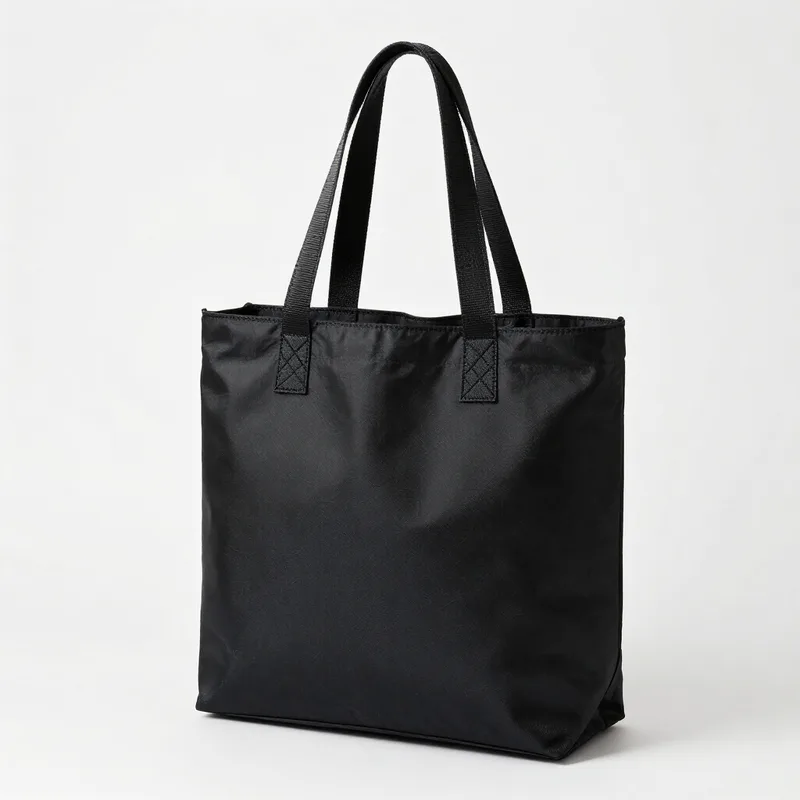
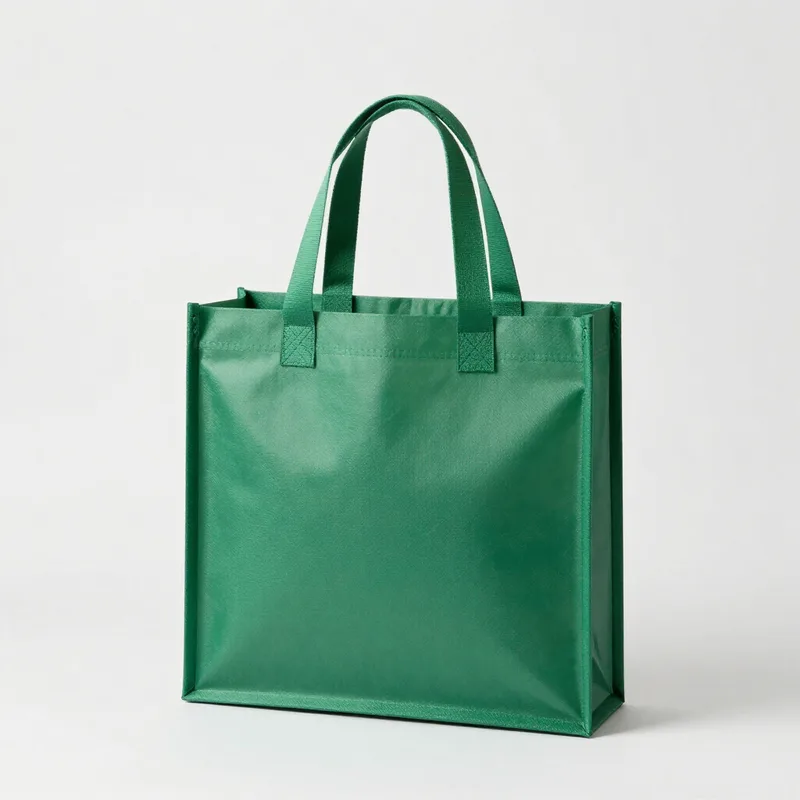
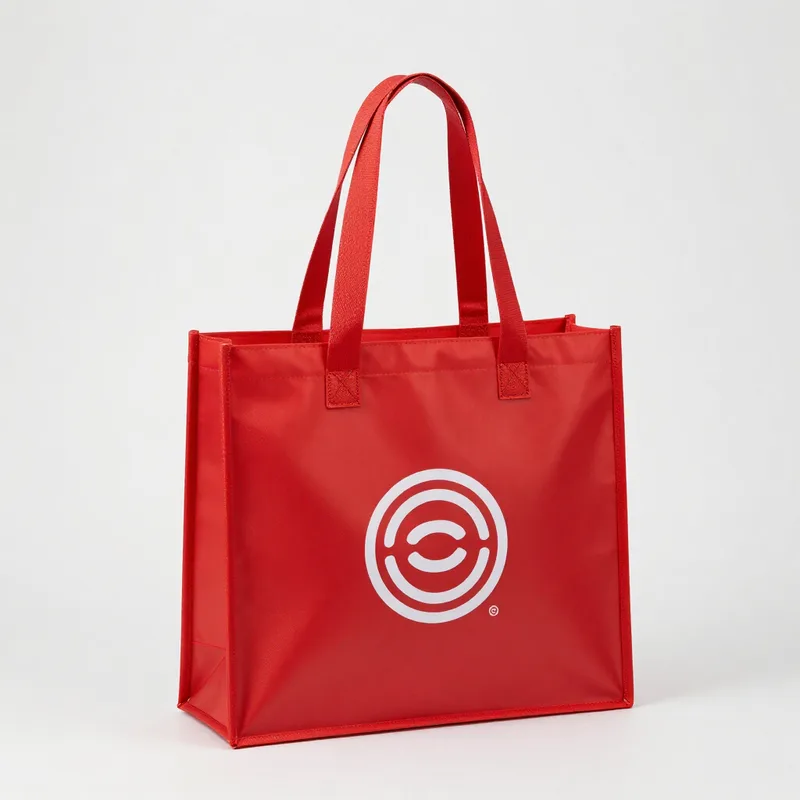
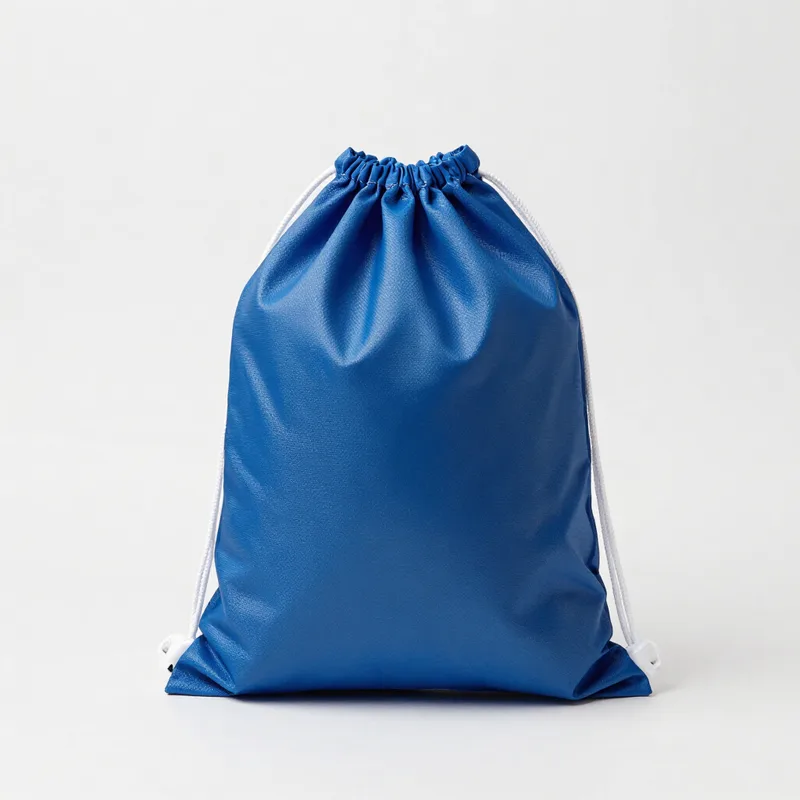
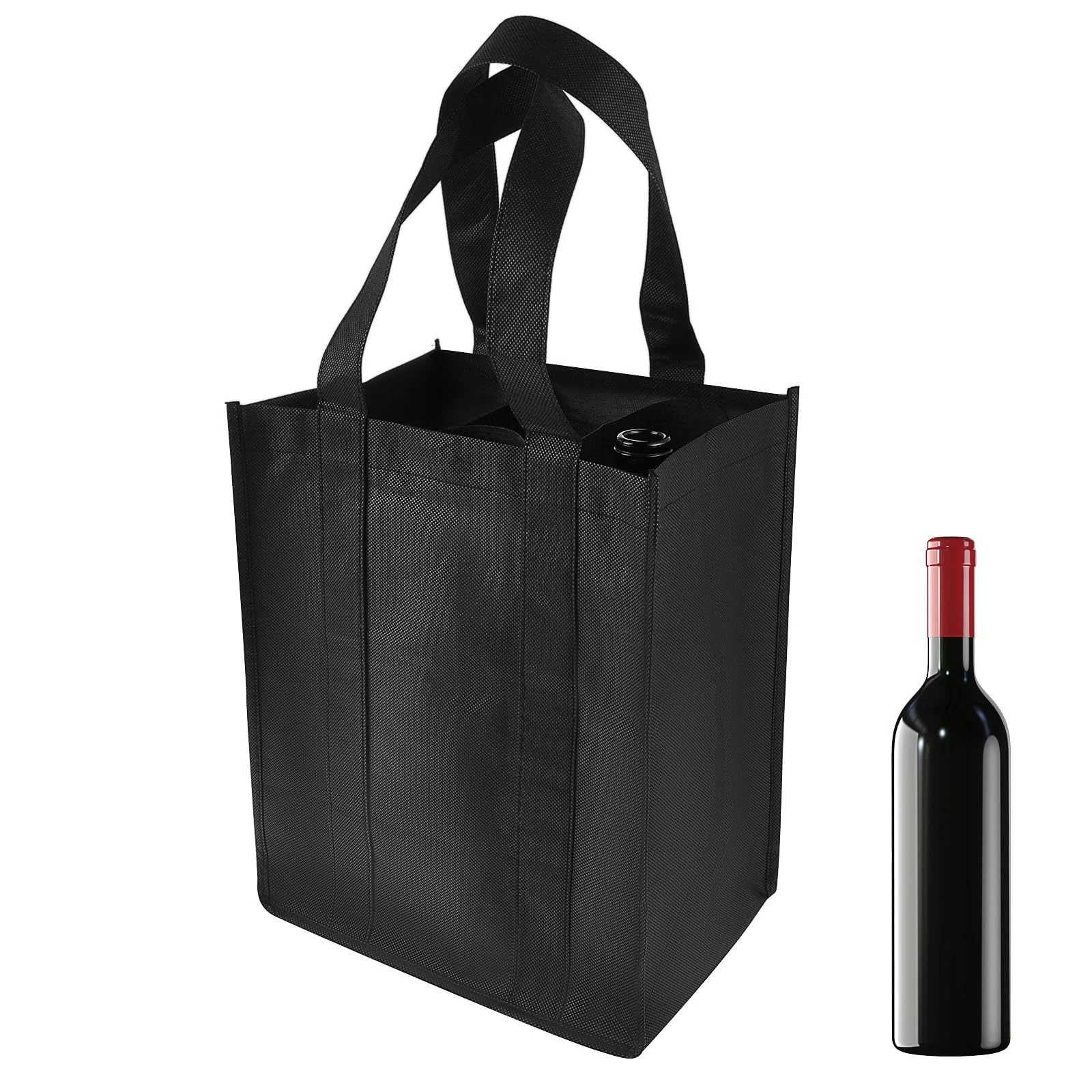
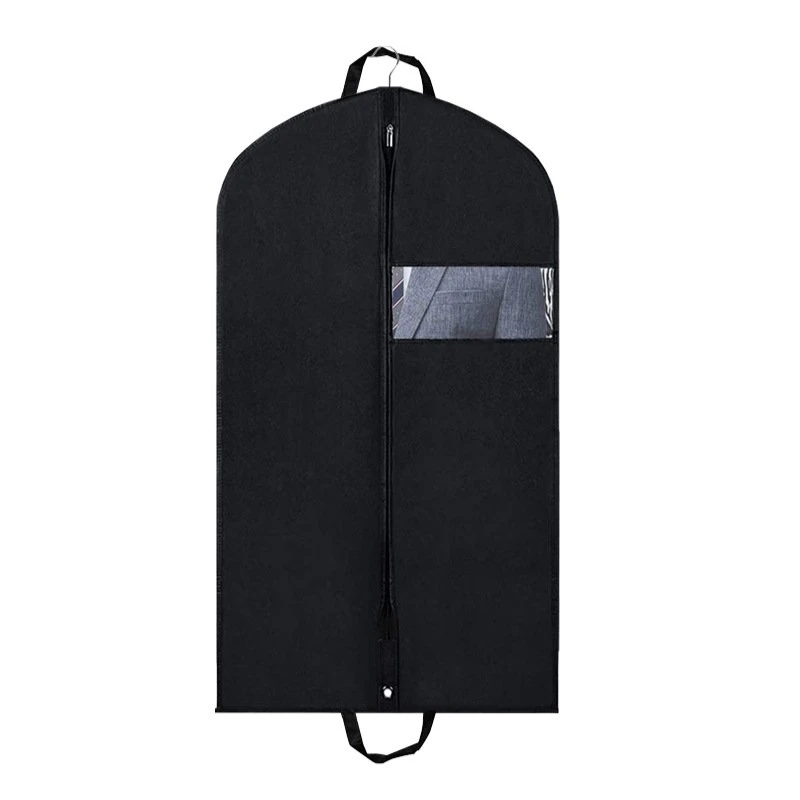
Style references shown as starting points. Each can be redeveloped with your own dimensions, weight, lamination, handles and print. Material composition and grade are confirmed against sourcing documents, not inferred from the image.
- Non-woven tote bag —
- Non-woven grocery bag —
- Non-woven promotional bag —
- Non-woven drawstring bag —
- Non-woven cooler bag —
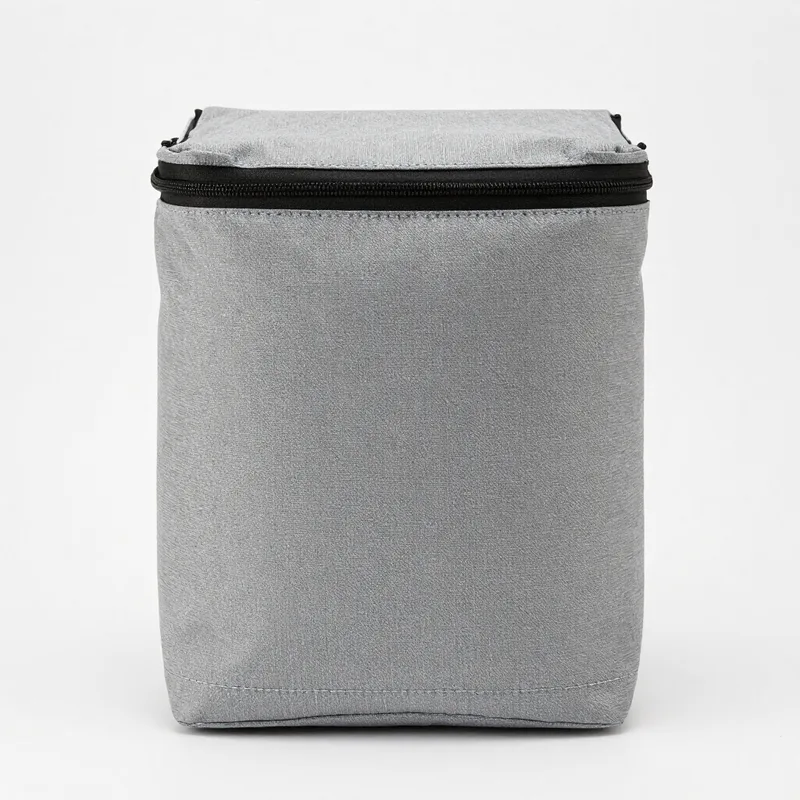
- Non-woven shoe bag —
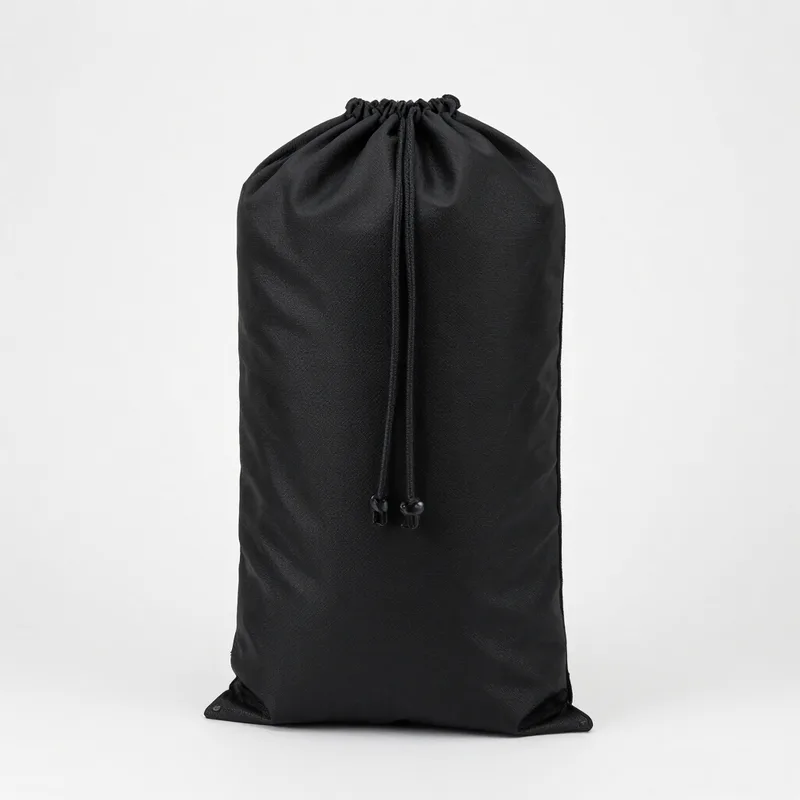
- Non-woven gift bag —
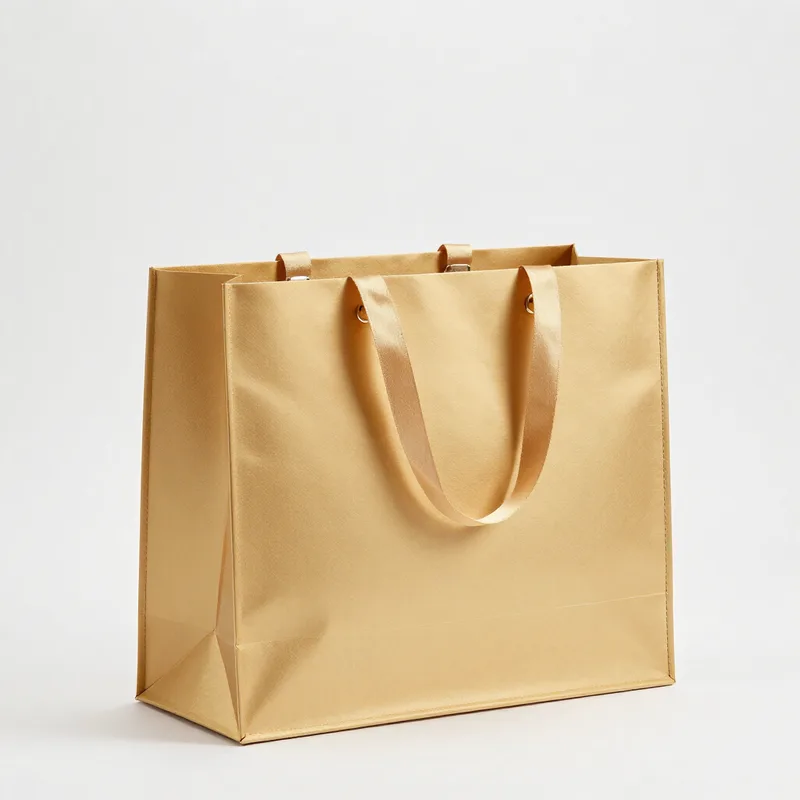
- Non-woven storage bag —
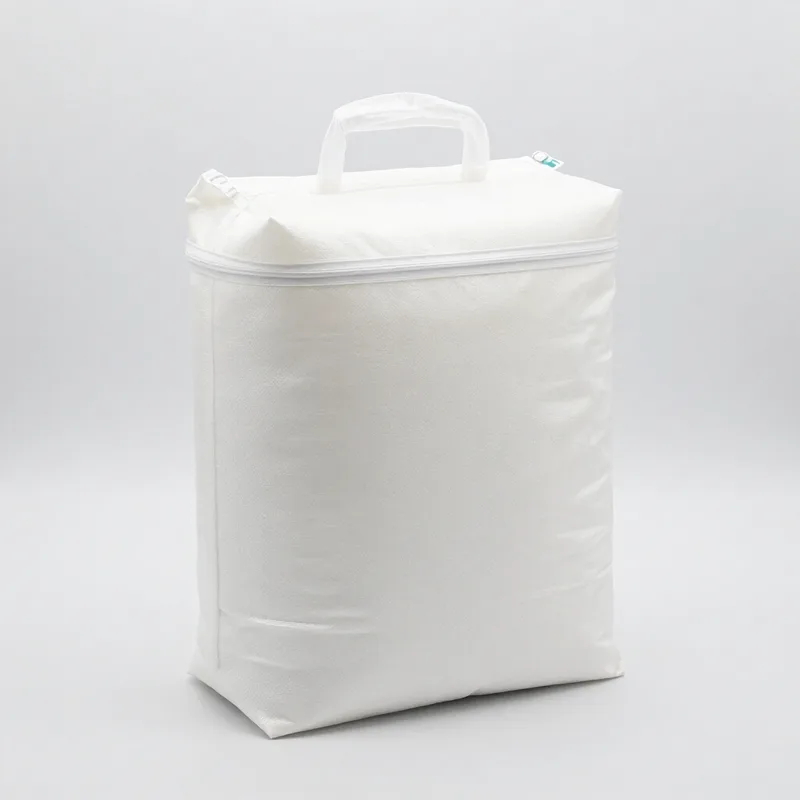
- Non-woven wine bag —
- Non-woven suit cover —
Five decisions that define a non-woven bag
Each row pairs a choice with the brief input to record and what to check on the sample. No universal load rating or prescribed gsm is assigned — the assembled bag is reviewed against the agreed use.
| Choice | Brief input | Sample check |
|---|
| Substrate weight & composition | State the target weight (gsm) and the fiber composition and structure — PP non-woven, SMS, spunlace, or a recycled blend. | Weight is the substrate mass, not finished-bag strength. Review hand-feel and color on the sample against the agreed use, and confirm composition against sourcing documents. |
| Laminated vs unlaminated surface | Specify the unlaminated surface or the selected film/coating, with matte or gloss finish as required. The surface sets how the material prints, folds and cleans. | Lamination is a surface treatment — it does not make the whole bag waterproof. Review print, folding and cleaning on the sample. |
| Sewn vs bonded joining | State the selected joining process for the seams — sewn, heat-sealed or bonded — and where it applies. | Confirm the selected joining process is feasible for the substrate, and record the handle attachment and stress-point review against the approved sample. |
| Handle format & attachment | Define the handle format (die-cut, stitched, webbing) and attachment against the contents and grip. | Review the cutout geometry and handle attachment with a representative load. No universal load rating is assigned from gsm alone. |
| Print & pack | Provide approved artwork, a color reference, the fold line, and the flat-pack or carton layout. | Confirm print compatibility with the substrate and surface, and review the packing layout against your warehouse spec. |
Non-woven substrates, reviewed on the sample
Composition is confirmed against sourcing documents and the surface reviewed on the sample against the print method and use. PP non-woven is bonded fibers; PP woven is a woven fabric — the two have different strength, hand-feel and print behavior.
- PP non-woven (bonded fibers) — Polypropylene fibers bonded into a sheet. Matte, fibrous surface. Takes screen print and heat transfer. The standard substrate for promotional and retail non-woven bags.
- Laminated PP non-woven — PP non-woven with a film or coating surface for a matte or gloss finish; record the actual film/finish. Changes print method, folding and cleaning behavior. Surface treatment only — not a whole-bag waterproof claim.
- SMS non-woven — A spunbond-meltblown-spunbond structure. A layered structure; record its fiber composition separately. Not a medical-grade rating. Selected and reviewed on the sample for the intended use.
- Spunlace non-woven — Hydroentangled fibers with a softer hand-feel. Composition and surface reviewed against the print method and use on the sample.
- Recycled-blend non-woven — Non-woven with recycled content (for example RPET-blend). Recycled-content claims need verified scope and chain-of-custody records for the selected material — RPET is not automatically PP, and recyclability depends on the finished assembly and local collection.
What to provide when inquiring
These inputs let us quote substrate, surface, joining, print and packing against your real program.
- Format & dimensions — Bag style and finished dimensions, including gusset depth and any folded or packed state.
- Substrate & weight — Fiber composition and structure (PP, SMS, spunlace, recycled blend) with a target gsm or reference sample.
- Surface & joining — Laminated or unlaminated surface, and the selected seam joining method (sewn, heat-sealed, bonded).
- Handle & hardware — Handle format and attachment, plus zippers, snaps, hook-and-loop or die-cut handles as the format needs.
- Print & artwork — Print method, color count, approved artwork and color reference, matched to the substrate and surface.
- Quantity & packing — Target quantity per style and color, plus polybag, label and carton layout for your warehouse.
Recycled content and recycling claims
Recycled-content claims — for example RPET-blend or recycled non-woven — need verified scope and chain-of-custody records for the selected material, confirmed per project against the supply chain. Record the certification scope and test evidence for the selected material per project. RPET is a recycled polyester, not automatically PP, and a recycled blend does not by itself make the bag recyclable.
Whether a finished non-woven bag is recyclable depends on its full assembly — fabric, lamination, lining and hardware — and on local collection facilities, so we do not claim universal recyclability. Review the finished assembly and the destination market's collection system before making any recycling claim.
The Global Recycled Standard (GRS) and Recycled Claim Standard (RCS) describe how recycled-content claims are verified. For reference only: Textile Exchange — Recycled Claim Standard. This reference explains how recycled-content claims are verified.
Frequently Asked Questions
What non-woven bag formats do you produce?
We build non-woven tote bags, shopping bags, grocery bags, drawstring bags, promotional bags, cooler bags, gift bags, wine bags, shoe bags, storage bags, suit covers and packaging sleeves. Each format is developed to your dimensions, fabric weight, lamination, joining, handle and print specification — not selected from a fixed stock list.
How is non-woven composition different from fabric weight?
Composition describes the fiber and structure — PP (polypropylene) non-woven is bonded fibers, SMS is a spunbond-meltblown-spunbond structure, spunlace is hydroentangled fibers. Fabric weight (gsm) is the mass per unit area of that substrate. Weight is a material property, not a finished-bag strength or load rating — the assembled bag is reviewed on the sample against the agreed use. PP non-woven is not the same as PP woven, which is a woven fabric with different strength, hand-feel and print behavior.
What is the difference between laminated and unlaminated surfaces, and do seams make the bag waterproof?
An unlaminated non-woven has a matte, fibrous surface. A laminated non-woven has a film or coating applied for a matte or gloss finish; record the actual film/finish. The surface changes how the material prints, folds and cleans. Lamination is a surface treatment — it does not by itself make the whole bag waterproof. Whether a bag resists water depends on the surface, the joining method (sewn or bonded), the lining and the closure, reviewed together on the sample.
What inputs do you need to confirm an MOQ?
Share the bag format, target fabric weight and composition, lamination, joining method, print method and color count, plus your target quantity per style and color. MOQ depends on these inputs and is confirmed per project in the quotation — there is no single fixed minimum that applies to every non-woven bag.
Which print methods work with non-woven, and how is compatibility decided?
Screen printing, heat transfer and full-color lamination printing are common on non-woven. The method is matched to the substrate, surface (laminated or unlaminated) and the artwork, and checked on the sample. A print method that works on a laminated glossy surface may not suit an unlaminated matte one — substrate and process must be compatible, and the print is approved on the pre-production sample.
How are recycled content and recycling claims handled?
Recycled-content claims (for example RPET-blend or recycled non-woven) need verified scope and chain-of-custody records for the selected material, confirmed per project against the supply chain. Record the certification scope and test evidence for the selected material per project. Whether a finished non-woven bag is recyclable depends on its full assembly (fabric, lamination, lining, hardware) and on local collection facilities, so recyclability is reviewed per project, not claimed universally. The Global Recycled Standard (GRS) and Recycled Claim Standard (RCS) describe how recycled-content claims are verified; see the Textile Exchange reference below for how recycled-content claims are verified.
What quotation and schedule inputs are confirmed?
Sampling lead time is agreed before a sample order is placed, and the bulk production schedule is agreed before bulk release — both travel with the quotation and depend on fabric, lamination, print and quantity. There is no fixed bulk or sampling duration that applies to every project. Export terms, documentation and packing are confirmed per project against your destination market.
Related programs: PP woven bags manufacturer · cotton canvas bags manufacturer · custom promotional bags manufacturer · custom tote bags manufacturer · custom bag sampling process.
Review a Non-Woven Bag Brief · Email: sales@xmronta.com · Phone: +86-592-6022797
Browse the site: Home · Bags Manufacturing · Portfolio · Knowledge Base · FAQ · OEM & ODM Service · Contact · Our Factory