Specify rPET Bag Fabric with Content and Order Evidence
Materials & Fabric
Specify rPET bag fabric with composition, recycled percentage, supplier records and order traceability, then match claims to the evidence.
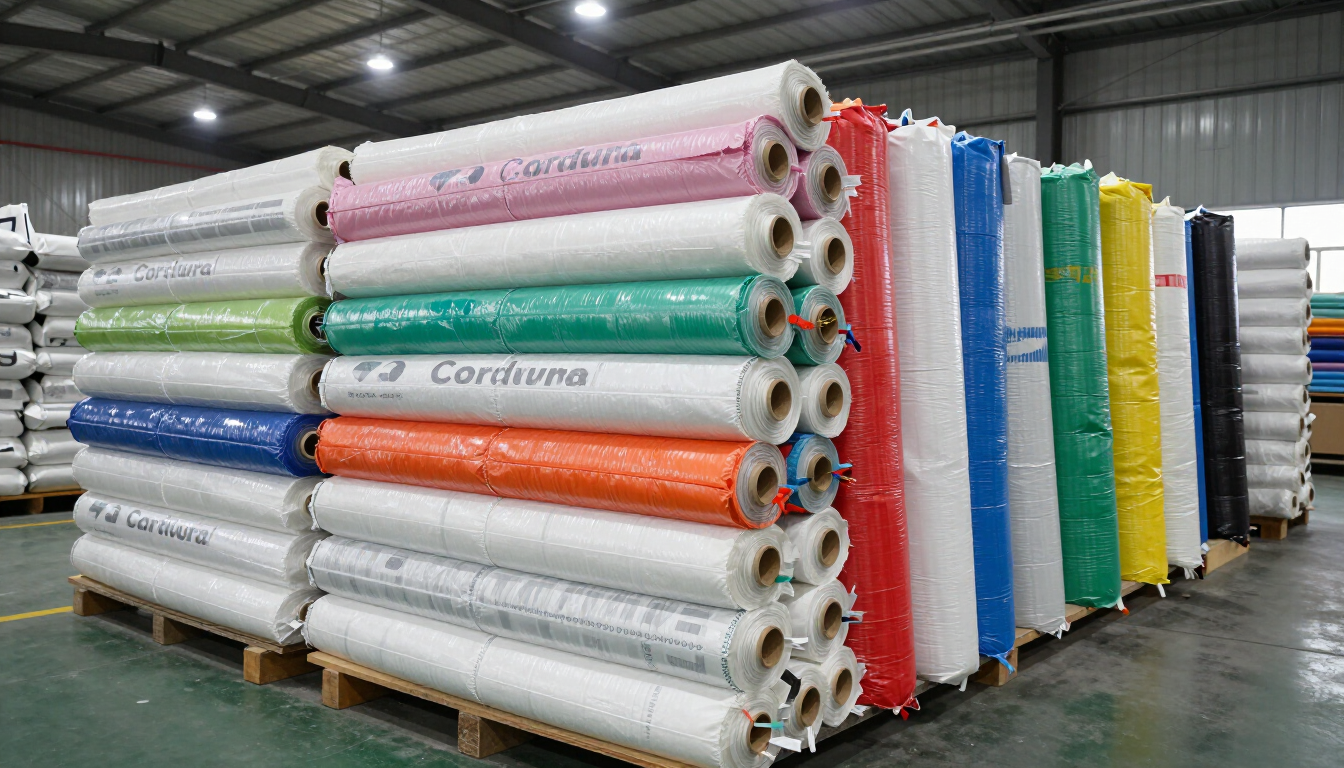
rPET (recycled polyethylene terephthalate) is a polyester made from recycled PET feedstock rather than virgin petroleum-based resin, and it is used as a shell or lining fabric for bags. This guide records the recycled-content claim and the order evidence that supports it — the fiber composition and recycled percentage, the feedstock type, the fabric grade, the order traceability, and the intended claim wording — so a recycled-content statement is built on recorded evidence rather than a green-marketing label. For a broader fabric comparison, see the fabric comparison guide; for a denier-focused comparison, the polyester comparison guide.
Ready to start? Review an rPET Bag Material Brief.
rPET feedstock and process are not universal
rPET may come from selected post-consumer or pre-consumer feedstock. One common route is post-consumer PET bottles sorted, cleaned, and reprocessed into PET feedstock, then spun into yarn and woven into fabric — but that is one example, not the only route. Record the actual feedstock type and the actual supplier records for the selected material. Assess the actual material performance, print and finish proof, and any supporting study for a carbon claim rather than assuming a single route or universal performance.
Five-row recycled-content-to-order record
Record five rows so the recycled-content claim and the order evidence are documented and reviewed on the sample, not assumed from a fabric name.
| Row | What to record |
|---|
| Selected fiber composition, recycled percentage and calculation basis | The fiber composition, the recycled-content percentage, and the calculation basis for that percentage — recorded as values with their supporting documents. |
| Feedstock type and actual supplier records | The feedstock type (post-consumer or pre-consumer) and the actual supplier records that anchor the selected material. |
| Exact fabric grade, weave, mass and finish sample | The fabric grade, weave, finished mass (grams per square metre), and surface finish, reviewed on a supplier sample. |
| Quoted order, BOM, material lot traceability and substitutes | The quoted order and bill of materials, the material lot traceability, and any substitute material with its differences recorded. |
| Intended claim wording and supporting evidence | The exact claim wording intended for the product, and the supporting evidence (composition records, supplier records, certificate scope) that backs each word of the claim. |
Recycled content, whole-bag claims, and recyclability
Distinguish a recycled-content textile claim from a finished whole-bag claim and from a recyclability claim. A recycled-content statement applies to the textile portion verified to contain recycled material. A specified whole-bag percentage claim uses a defined calculation basis with component weights and evidence — trims, foam, coatings, and hardware are included or excluded as the stated basis defines, not automatically recycled or recyclable. An explicit 100 percent claim requires every component verified. Record which components the claim covers and which it does not. Any carbon-footprint comparison needs a scoped, comparable study with its boundaries defined.
Certification scope and order evidence
If certification is requested, verify the exact scheme, the current certificate holder, and the site, product, and process scope, plus order transaction evidence per the applicable scheme. Record the scheme that applies and the evidence it requires. For reference, the Textile Exchange standards FAQ describes how recycled-content standards treat certification and transaction evidence.
Related guides
For a broader fabric comparison, see the fabric comparison guide. For a denier-focused comparison, see the polyester comparison guide. For material documentation, see the material test reports guide; for specifications, the custom bag specification guide. For tote programs, see the custom tote bags manufacturer page; for backpack programs, the custom backpack manufacturer page.
To review an rPET bag material brief, email sales@xmronta.com with the selected fiber composition and recycled percentage, the feedstock and supplier records, and the intended claim wording.
Frequently Asked Questions
Is rPET the same as recycled content for the whole bag?
A recycled-content statement applies to the textile portion verified to contain recycled material. A specified whole-bag percentage claim uses a defined calculation basis with component weights and evidence — trims, foam, coatings, and hardware are included or excluded as the stated basis defines. An explicit 100 percent claim requires every component verified. Record which components the claim covers and which it does not.
How is rPET performance proven?
The fabric grade, weave, mass, and finish are recorded and reviewed on a supplier sample against the agreed requirement, and any fabric test results apply to the sample tested. Assess the actual material performance and print and finish proof for the selected material.
Does a certificate cover every order?
Verify the exact scheme, the current certificate holder, and the site, product, and process scope, plus order transaction evidence per the applicable scheme. A scope certificate and an order transaction certificate are confirmed separately per the scheme that applies.
How are material substitutions handled?
Any substitute material is recorded with its differences in the order and bill of materials, with material lot traceability. After approval, a material change requires a review of the affected requirements and a recorded decision, determining the additional sample or review scope based on the change's impact.
Send the selected fiber composition and recycled percentage, the feedstock and supplier records, and the intended claim wording to sales@xmronta.com for review.
Review an rPET Bag Material Brief
Email: sales@xmronta.com
Browse the site: Home · Bags Manufacturing · Portfolio · Knowledge Base · FAQ · OEM & ODM Service · Contact · Our Factory