Compare Bag Fabrics by Component and Evidence
Materials & Fabric
Compare bag fabric options using component purpose, fiber and construction records, finish compatibility, sample evidence and quotation scope.
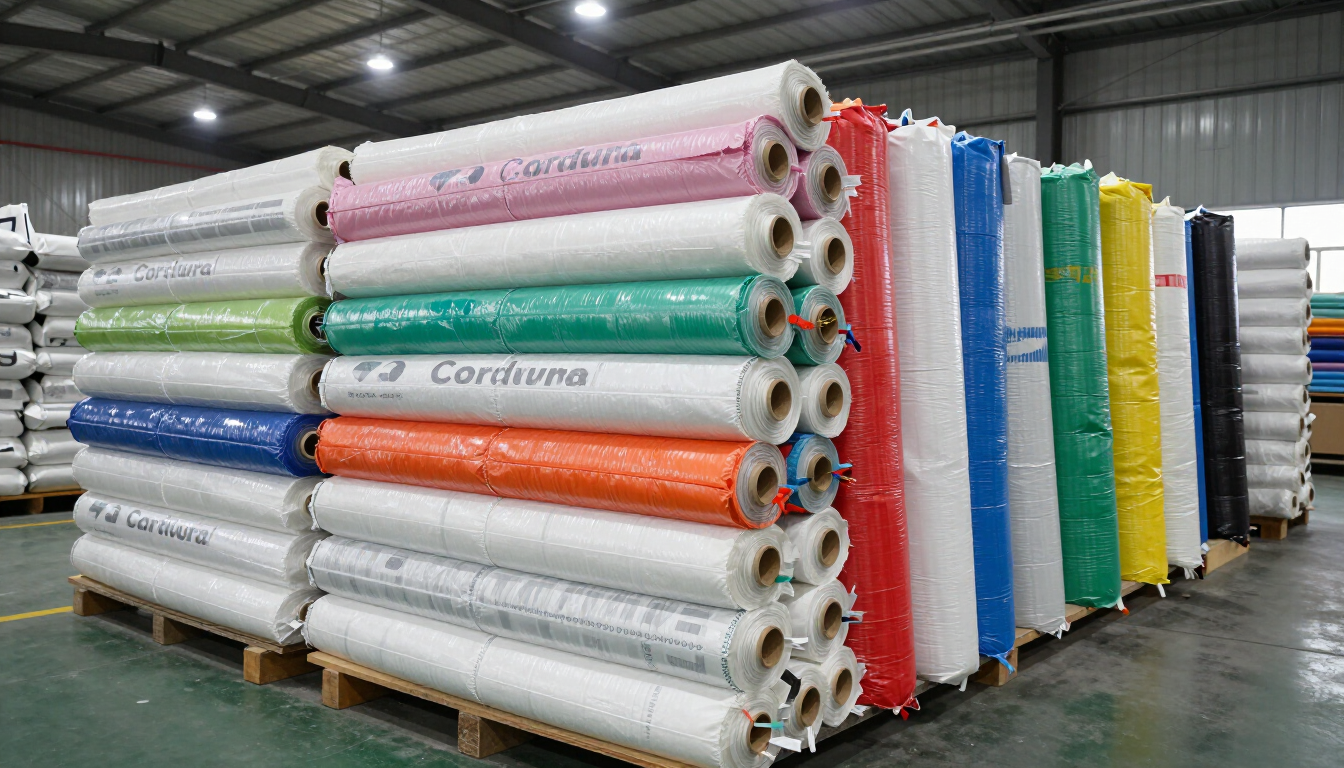
Bag fabric is selected component by component, not by a single fiber name or denier number. A bag combines a shell, a base, pocket and strap interfaces, and a lining, and each component can use a different textile chosen for its purpose, care, and the evidence the buyer requires. Common selected textiles include polyester, nylon, cotton canvas, non-woven polypropylene, woven PP, and recycled PET, but no fiber is automatically stronger, more colorfast, or more affordable — fiber, weave, finished mass, and finish are considered together on the sample.
Ready to start? Review a Bag Fabric Selection Brief.
CORDURA is a branded fabric family, not a separate fiber
CORDURA is a branded family of fabrics, not a fiber category that sits alongside nylon and polyester. When a program specifies it, identify the exact product and grade, record its composition, and verify the sourcing documents for the specific order. A branded name does not document a fabric — the selected product, grade, and composition do. See the bag fabric comparison guide for how denier, weave, and finish are compared.
Component decision matrix
Record each component against the inputs that affect the quote and the sample, so two options are compared on the same fields rather than on a fiber label alone.
| Component and use | Fiber / grade / weave / mass / finish | Comparable required evidence | Assembled sample fit, joins, decoration | Quote substitution approval |
|---|
| Shell — primary wear and weather surface | Selected fiber and grade, weave (plain, ripstop, basket), finished areal mass (gsm), and back-coating or face finish | Test method, version, specimen count, conditioning, and recorded results for tear, abrasion, or water behavior | How the cut panels join, how seams and hardware sit, and how the selected decoration adheres | Approved substitute listed with differences; bulk confirmed against the approved revision before release |
| Base — ground contact and abrasion | Fiber and grade, weave, finished mass, and base reinforcement or lamination | Abrasion and water evidence under the agreed method | Base panel fit, seam closure, and drainage reviewed on the assembled bag | Substitute recorded with differences; re-run affected evidence on the revised sample |
| Pocket and strap interface — attachment and load path | Fiber, webbing spec, and attachment geometry against the approved drawing | Pull or retention evidence for the anchor under the agreed method | Webbing overlap, edge clearance, and stitch pattern reviewed on the loaded sample | Substitute reviewed for fit and retention before approval |
| Lining — interior protection and care | Fiber, weave, finish, and food-contact or wipe-clean requirement where applicable | Care and, where relevant, food-contact documentation for the stated component | Liner fit, seam access, and cleaning method reviewed against the actual contents | Substitute confirmed for care compatibility before release |
Define the recycled-content claim scope
A recycled-content claim records the selected scope — a stated component percentage or a quantified whole-bag percentage — with the defined component weights, calculation basis, and the order records that support it. A recycled-content percentage does not automatically make the bag recyclable. For recycled polyester (r-PET), record the actual recycled content and claim wording and the supporting selected-material and order documents; where a certification is claimed, verify it and the applicable scheme scope for the specific order. See the rPET fabric guide for the content and order evidence a recycled claim requires.
Finish, decoration, and quotation scope
A back-coating, lamination, and face treatment (DWR) are each a separate specification from the fiber and weave, and a coated fabric is not automatically a waterproof bag — seam closure, lining, and construction are reviewed together on the sample. Decoration compatibility is checked on the selected finish, not assumed from a fiber name. The quotation records the selected materials, any approved substitute and its differences, and the revision the sample represents, so bulk is compared to the approved version. For the full approval loop, see the custom bag sampling checklist and the material test reports guide.
To compare bag fabrics for your project, email sales@xmronta.com with the components, candidate fibers and finishes, and the evidence you need.
Frequently Asked Questions
Is denier enough to choose a bag fabric?
No. Denier measures yarn linear density — the mass per 9000 metres of yarn — not fabric thickness, finished areal weight, or a strength class. Two fabrics of the same denier can differ in weave, areal mass, and finish, and therefore in tear, abrasion, and water behavior. Record denier alongside fiber, weave, finished mass, and finish, and compare test results under the same method and conditions.
Can materials be ranked by fiber alone?
No. Fiber is one input; weave, areal mass, coating, and seam engineering are considered together on the sample. A nylon, polyester, or CORDURA label alone does not rank tear strength, abrasion resistance, or water behavior. Compare candidate fabrics on the same recorded fields and review the selected fabric on the assembled sample with its seams, thread, and hardware.
How do I approve finish and decoration compatibility?
Record the selected back-coating or face finish and review the chosen decoration — print, embroidery, or patch — on the actual finished panel, not on a fiber name. Check adhesion, color, and legibility under the agreed appearance and care criteria on the sample. A coated fabric or a finish label alone does not confirm decoration compatibility.
What records support a material substitution?
Record the selected material sourcing documents, any approved substitute and its recorded differences, and the spec revision the sample represents. Confirm the actual bulk materials before release. If a substitution changes a property that was tested, re-run the comparison under the same method and conditions on the revised sample and record the new result against the approved revision.
Send the bag components, candidate fibers and finishes, and the evidence you need so the selection and substitution can be agreed for your project.
Review a Bag Fabric Selection Brief
Email: sales@xmronta.com
Browse the site: Home · Bags Manufacturing · Portfolio · Knowledge Base · FAQ · OEM & ODM Service · Contact · Our Factory