Specify Bag Linings Separately from Padding and Stiffeners
Materials & Fabric
Define bag interior layers by lining textile, padding, stiffener, pocket surface, seam access and selected contents and care requirements.
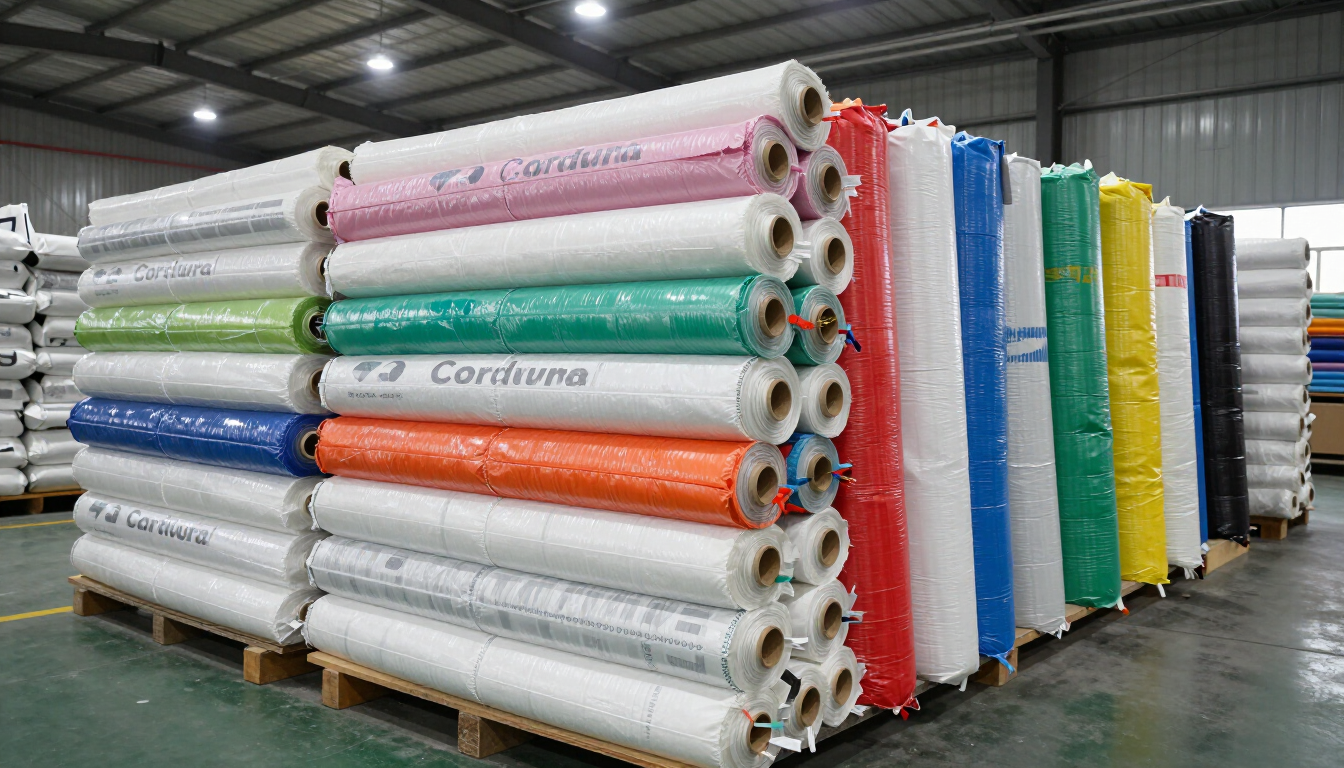
A bag interior is built from separate layers — the lining textile, the padding, the stiffener, and the pocket contact surface — each specified for its purpose and reviewed together on the sample. This brief records each layer so the interior is specified against the selected materials and the actual contents rather than a generic lining label. For a broader fabric comparison, see the fabric options guide; for a canvas finish, the canvas backpack guide.
Ready to start? Review a Bag Interior Layer Brief.
Interior layer record
Record each row against the selected materials and the sample so the interior layers are documented and reviewed, not assumed from a lining name.
| Row | What to record |
|---|
| Textile lining fiber, weave, mass, finish and color | The actual fiber, weave, finished mass, finish and color of the lining textile, with the composition identified — pongee and taffeta are constructions, not fiber labels. |
| Selected padding position and thickness | Where padding sits and its thickness, quoted as required for the project rather than a fixed number. |
| Stiffener shape, edge clearance and attachment | The stiffener shape, edge clearance and attachment method — PE board and EVA foam are structure layers, not textile linings. |
| Pocket contact surface and actual cased contents | The pocket contact surface reviewed against the actual cased contents and the agreed care and use method. |
| Accessible joins, selected care and approved substitutions | Which joins are accessible, the selected care method, and any approved material substitutions with their differences. |
Construction names are not fiber identities
Pongee and taffeta are fabric constructions, not fiber labels — the actual fiber composition is identified and recorded. PE board and EVA foam are structure and padding layers, not textile linings, and a brushed tricot pocket surface is reviewed against the actual objects and the agreed care and use method, not assumed to prevent scratching. A lining weight or construction name does not by itself rank price, quality, or protection.
Pocket surface assessed against actual contents
The pocket contact surface is assessed against the actual cased contents and the agreed care and use method — not a protection certification. Record the contents the pocket carries and review the surface on the sample with those real objects. Any substitute material is recorded with its differences in the approved revision; after approval, a material change requires a review of the affected requirements and a recorded decision.
Related guides
For fabric options, see the fabric options guide; for a canvas finish, the canvas backpack guide; for specifications, the specification guide; for material reports, the material test reports guide; for sampling, the sampling checklist.
To specify bag interior layers, email sales@xmronta.com with the lining textile, padding, stiffener, pocket surface and care requirements.
Frequently Asked Questions
Is a PE board or EVA foam a lining?
No. PE board and EVA foam are structure and padding layers, not textile linings. The lining is a separate textile layer whose fiber, weave, finished mass, finish and color are identified and recorded. Specify each interior layer for its purpose rather than treating them as one lining.
Are pongee and taffeta fiber types?
No. Pongee and taffeta are fabric constructions, not fiber labels. Identify the actual fiber composition of the lining textile and record it, so the interior is specified against the selected material rather than a construction name.
How is the pocket contact surface reviewed?
The pocket contact surface is assessed against the actual cased contents and the agreed care and use method on the sample — not a protection certification. Record the contents the pocket carries and review the surface with those real objects.
How is a lining substitution approved?
Any substitute lining material is recorded with its differences in the approved revision. After approval, a material change requires a review of the affected requirements and a recorded decision, determining the additional sample or review scope based on the change's impact — not every change requires a full new bag.
Send the lining textile, padding, stiffener, pocket surface and care requirements for a bag interior layer review.
Review a Bag Interior Layer Brief
Email: sales@xmronta.com
Browse the site: Home · Bags Manufacturing · Portfolio · Knowledge Base · FAQ · OEM & ODM Service · Contact · Our Factory